Pumping at Work: 6 Tips for Building a Routine That Works

Returning to work after maternity leave is a big transition. You're learning a new routine, spending time away from your baby, and figuring out how to fit pumping into your workday—all at once. The good news? A little preparation can make the transition much smoother.
Whether you're returning to an office, a hospital, a classroom, or another workplace, these six practical tips can help you build a pumping routine that's realistic, sustainable, and easier to manage.
1. Know where you'll pump before your first day back.
Before your leave ends, talk with your manager or HR team about where you'll pump and what accommodations are available. In the United States, most employees are protected under the PUMP for Nursing Mothers Act, which requires employers to provide reasonable break time and a private space—other than a bathroom—for pumping breast milk. If possible, visit your lactation space before your first day back so there aren't any surprises. Ask yourself:
How do I access the room?
Is it private and lockable?
Is there an outlet for my pump?
Is there a comfortable chair and a small surface for my supplies?
Is there a refrigerator nearby?
How far is it from my workspace?
The more you can prepare in advance, the less you'll have to think about once you're balancing work and pumping.
2. Build a freezer stash, but don't stress about it.
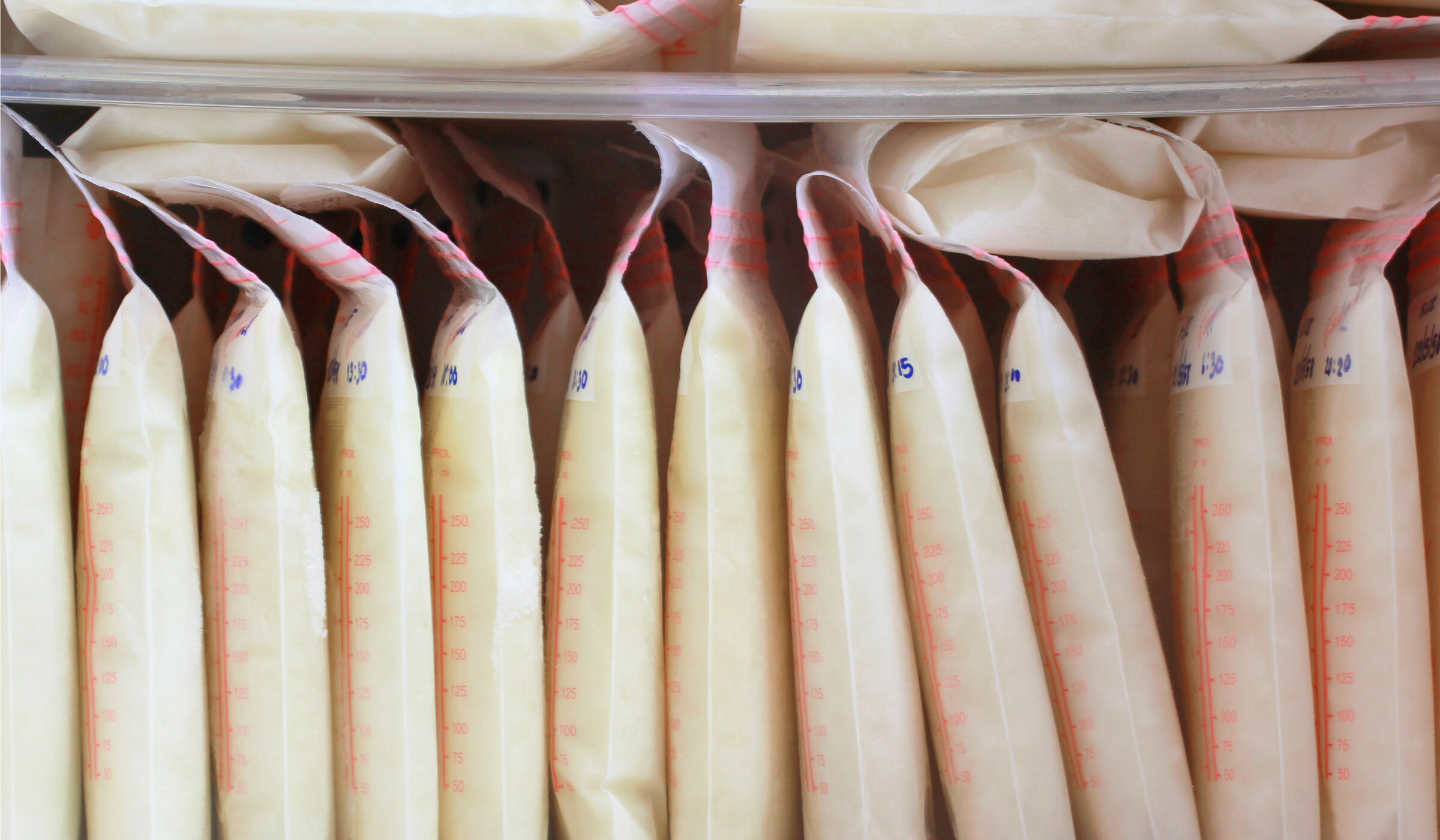
Many parents begin pumping a few weeks before returning to work so they can become comfortable with their pump and freeze a small supply of milk. As a general guideline, babies typically drink about 1 to 1½ ounces of breast milk for every hour they're separated from their breastfeeding parent. That can help you estimate how much milk you'll need while you're at work.
It's easy to feel pressure to build a large freezer stash, but for many families, staying about one day ahead is enough. The milk you pump today can become tomorrow's bottles. Remember, every breastfeeding journey is different. Your lactation consultant or healthcare provider can help you determine what makes sense for you and your baby.
3. Pack your pump bag the night before.
A little preparation can make hectic mornings much easier. Keep your pumping supplies together so they're ready to grab and go. Your checklist might include:
Breast pump and power cord or charged battery
Flanges and collection bottles
Valves, membranes, and backflow protectors
Milk storage bags or bottles
A cooler and ice packs if a fridge isn't available
Nursing pads
Nipple balm
An extra shirt or bra (just in case)
You may also want to pack a few comforts, like a favorite snack, lip balm, or headphones for listening to music or a podcast while you pump.
4. Treat pumping breaks like any other important meeting.
Block pumping sessions on your work calendar and protect that time as much as possible. Scheduling your breaks helps you stay on track and normalizes pumping as a regular part of your workday. Of course, work doesn't always go according to plan. Meetings run long. Emergencies happen. If you miss a pumping session, pump as soon as you're able and then return to your regular schedule. One missed session doesn't have to derail your routine.
5. Have a plan for storing milk and cleaning pump parts.
One of the biggest logistical challenges of pumping at work isn't pumping—it's everything that comes afterward.
If your workplace has a fridge, store expressed milk there in clearly labeled bottles or storage bags. If not, bring an insulated cooler with frozen ice packs to keep milk chilled until you get home.
Current guidance recommends washing pump parts with soap and water after each use whenever possible and allowing them to air dry completely before the next session. Many parents keep a small cleaning kit at work with:
Bottle brush
Mild dish soap
Clean drying rack or towel
Pump-part sanitizing wipes or spray for times when washing isn't immediately possible
Some parents choose to refrigerate pump parts between sessions as a time-saving shortcut. While this practice is common, it's not part of current CDC recommendations. If you're unsure what's right for you, talk with a lactation consultant or your healthcare provider.
6. Reset for tomorrow before you go to bed.
Once you're home, refrigerate or freeze your milk according to your feeding plan. Then, after your baby is asleep, spend a few minutes getting ready for the next day:
Wash and sanitize pump parts as needed.
Restock your pump bag.
Freeze your ice packs.
Charge your pump if needed.
Doing a little prep the night before can make your morning feel much less rushed.
Give yourself time to find your rhythm.
The first week back at work is often the hardest. As you settle into your new routine, pumping usually becomes more predictable. But know that your pumping schedule may change as your baby grows, your milk supply regulates, or your work routine shifts. That's normal.
The goal isn't pumping perfection, but finding a routine that works for you and helps you continue meeting your breastfeeding goals while balancing everything else on your plate. If you're preparing to return to work, planning ahead can make all the difference. Knowing your rights, having access to a clean, private lactation space, and establishing a routine before your first day back can help make pumping at work a little easier.
Mamava designs solutions to empower breastfeeding and pumping parents on the go, like our freestanding lactation pods, Mamava’s lactation space locator app, and other helpful resources.


More parent resources